How to Use Essential Oils at Home: 10 Simple Ways
Essential oils are one of the most versatile tools in natural wellness. If you have ever stood in front of a bottle wondering exactly what to do with it, you are not alone. Here are 10 practical, proven ways to use essential oils at home, whether you are brand new to aromatherapy or looking to get more out of your collection.
1. Diffuse Them Into the Air
The most popular way to use essential oils at home is in a diffuser. An ultrasonic diffuser disperses a fine cool mist of water and oil into your space, filling the room with scent and delivering the oil's natural compounds through inhalation.
Add 5 to 10 drops to a full water reservoir and run for 30 to 60 minutes. Most people notice the benefits within a few minutes of the diffuser running, including improved mood, reduced tension and better focus.
Good starting blends: Lavender and cedarwood for evenings. Peppermint and lemon for mornings. Eucalyptus and tea tree when someone is under the weather.
Not sure which diffuser to buy? See our full guide to types of essential oil diffusers, or browse our Portable Diffusers and Reed Diffusers.
2. Apply Topically With a Roll-On
Essential oils should not be applied directly to skin without dilution. They are highly concentrated and can cause irritation. The solution is a pre-diluted roll-on: essential oils already blended into a carrier oil at the right ratio, ready to apply directly to pulse points, temples, wrists or the back of the neck.
Roll-ons are one of the most convenient ways to use essential oils throughout the day. No measuring, no mess, no risk of over-application.
Our Aroma Roll-On collection covers everything from stress relief and sleep support to focus and energy, all pre-blended and ready to use.
3. Add Them to Your Bath
A warm bath with essential oils is one of the simplest forms of full-body aromatherapy. The steam opens your sinuses, the warmth helps the oils absorb through the skin, and the scent works through inhalation at the same time.
How to do it safely: Never add essential oils directly to bath water. They will float on top and can irritate skin. Instead, blend 5 to 10 drops with a tablespoon of carrier oil like jojoba or sweet almond, or mix into a tablespoon of unscented bath gel first, then add to the water.
Our Aromatherapy Bath Bombs are the simplest option since the carrier is already built in. Or explore our Bath Salts & Scrubs for a deeper soak.
4. Make a Room or Linen Spray
A quick DIY room spray lets you refresh any space in seconds. Fill a small spray bottle with distilled water, add 20 to 30 drops of essential oil per 100ml, and shake well before each use.
Use on pillows before bed with lavender or chamomile, in bathrooms with tea tree or eucalyptus, or as a natural air freshener throughout the home. This is one of the best ways to use essential oils around the house without a diffuser.
Tip: Add a small amount of witch hazel or rubbing alcohol to help the oil disperse in the water rather than sitting on top.
5. Inhale Directly From the Bottle
The fastest way to use an essential oil is also the simplest: open the bottle and breathe in. Cup your hands around the opening and take 3 to 5 slow, deep breaths. This works especially well for acute needs like stress, headaches, nausea or a quick mood reset.
For a hands-free option, a personal aromatherapy inhaler with an oil-soaked wick lets you carry the benefit in your pocket. Discreet enough for offices, classrooms and public spaces.
6. Use in a Steam Inhalation
Steam inhalation is especially effective for respiratory support including congestion, colds, allergies and sinus pressure. Add 2 to 3 drops of eucalyptus, peppermint or tea tree oil to a bowl of just-boiled water. Lean over the bowl with a towel over your head and breathe deeply for 5 to 10 minutes.
Important: Keep your eyes closed. Use only 2 to 3 drops since steam amplifies the intensity significantly. Not recommended for children under 12 or for those with asthma.
Shop our pure essential oils — including eucalyptus, peppermint and tea tree — for steam inhalation and more.
7. Add to Your Skincare Routine
Many essential oils have properties that make them useful additions to a skincare routine. Tea tree works well for blemishes, frankincense for uneven skin tone, rosehip for hydration and lavender for irritation and redness.
How to do it: Add 1 to 2 drops of essential oil to your regular unscented moisturiser or facial oil before applying. Never apply undiluted to the face.
A good dilution ratio for facial use is 1%, which is 1 drop of essential oil per teaspoon of carrier. For body use, 2 to 3% is standard. Browse our full essential oils range to find the right oil for your skin type.
8. Clean With Them
Tea tree, lemon, eucalyptus and thyme essential oils have well-documented antibacterial and antifungal properties. They are a natural addition to DIY cleaning products that actually work.
All-purpose cleaner: 1 cup white vinegar, 1 cup water, 20 drops tea tree and 15 drops lemon. Put in a spray bottle and use on counters, sinks and appliances.
Diffuse while cleaning: Running a diffuser with purifying oils while you clean freshens the air at the same time, which is especially useful in bathrooms and kitchens.
9. Support Better Sleep
A consistent pre-sleep ritual with calming essential oils can significantly improve sleep quality over time. The mechanism is partly physiological since lavender has been shown to slow heart rate and lower blood pressure. It is also partly habitual, as your nervous system learns to associate the scent with winding down.
Methods that work at night:
- Diffuse lavender, chamomile or cedarwood in the bedroom 30 minutes before bed
- Apply a calming roll-on to your wrists and temples
- Spray diluted lavender on your pillow
- Add a few drops of our Unwind blends to a warm bath before bed
- Soak in one of our aromatherapy bath salts with a calming blend before bed
10. Create a Focus Environment
Several essential oils have been studied for their effect on concentration, memory and cognitive performance. Rosemary, peppermint, lemon and basil are the most well-researched.
Diffuse these in your home office while working, or keep a personal inhaler on your desk for a quick reset between tasks. Some people find that using a specific scent exclusively for focused work creates a reliable mental anchor over time.
Our Uplift collection was designed for exactly this, with energising, clarifying blends to help you show up at your best.
Safety Basics Worth Knowing
- Always dilute before skin application. A 2 to 3% dilution (roughly 12 drops per 30ml of carrier oil) is safe for most adults.
- Keep away from eyes and mucous membranes.
- Be cautious with pets. Cats especially are sensitive to many essential oils. Keep diffuser use in well-ventilated spaces and give pets the option to leave the room.
- Check for sun sensitivity. Citrus oils like lemon, bergamot and grapefruit can cause photosensitivity when applied to skin before sun exposure.
- Quality matters. Synthetic fragrance oils and adulterated essential oils do not deliver the same benefits and can cause irritation. Look for 100% pure, naturally sourced oils.
Where to Start
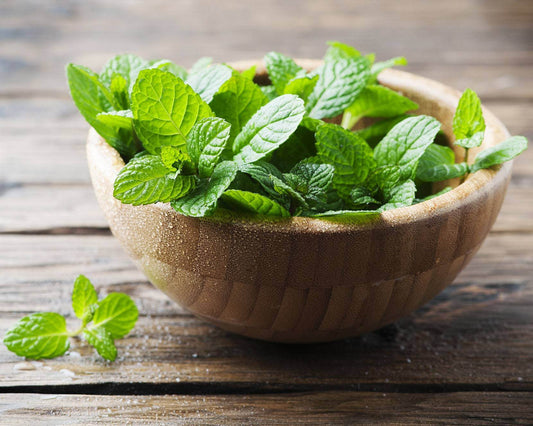
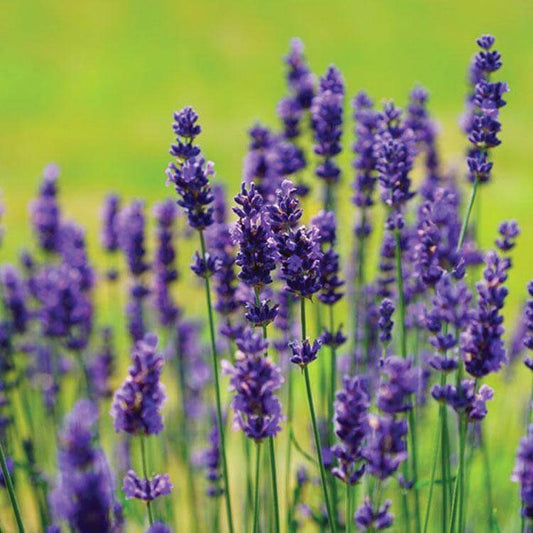
If you are new to essential oils, the best place to start is with a few versatile oils you will actually use. Lavender is calming, skin-friendly and universally loved. Peppermint is energising and great for headache relief and the diffuser. Tea tree is ideal for cleaning, blemishes and respiratory support.
From there, let your mood guide you. Escents has been blending 100% natural aromatherapy products in Vancouver, BC since 1992, and every product is crafted to make the benefits of essential oils easy to incorporate into everyday life.
Shop Essential Oils & Blends → Explore Starter Bundles →

You Might Also Love
-
Roll-on Head Aid
Regular price From $35.00Regular price -
Roll-On Itch B'gone
Regular price From $35.00Regular price -
Bug Off Spray
Regular price $16.00Regular price